Can Ceramic Coating Be Applied to Glass, Trim, and Headlights?
Ceramic coating can be applied to automotive glass, exterior trim, and headlights when the correct product, preparation, and installation process are used. At Northern Lights Home & Auto Coatings, we look beyond painted panels because these surfaces also face road film, moisture, sunlight, mineral deposits, insects, dust, and everyday contamination. Each material reacts differently to cleaning and protective treatments, so the coating process should be adjusted accordingly.
For vehicle owners in Pooler, GA, our Savannah location provides a dedicated environment where we can inspect and prepare these areas correctly. When suitable for coating, glass, trim, and headlights can support easier maintenance, water repellency, and a cleaner exterior appearance.
Which Vehicle Surfaces Can Be Ceramic Coated?
Ceramic coating is commonly associated with painted body panels, but suitable products can also be used on glass, plastic trim, metal accents, and headlight lenses. These materials do not behave exactly like clear-coated paint, so they should not automatically receive the same preparation or application method.
Our approach to ceramic coating for glass, trim, and headlights begins with evaluating the material, current condition, and existing contamination. A windshield with mineral deposits may need different preparation than textured trim with old dressing residue. An oxidized headlight lens may require corrective work first. Evaluating each area separately helps us determine whether coating is appropriate.
Applying Ceramic Coating to Automotive Glass
Automotive glass is exposed to rain, road spray, insects, dust, mineral deposits, and environmental residue every time a vehicle is driven. Over time, these contaminants can make windshields and windows more difficult to keep clean, even with regular washing.
When a surface-appropriate coating is applied to properly prepared glass, water and contamination may be less likely to cling as strongly. This can make routine cleaning more manageable and help the glass maintain a cleaner appearance between washes. Suitable windows and windshields can be included as part of a broader exterior protection plan.
What Benefits Can Coated Glass Provide?
One benefit of coated automotive glass is water-repellent behavior. A hydrophobic surface encourages water to bead rather than remain spread across the glass. It can also make road film, bug residue, and environmental buildup easier to remove during washing.
For vehicles regularly traveling around Pooler and Savannah, this can be useful when road spray, insects, dust, and changing weather conditions leave exterior glass dirty. A coating does not stop contamination from reaching the glass, but it can make ongoing care more convenient.
Ceramic coating does not replace regular glass cleaning, and it does not repair chips, cracks, scratches, or other existing damage. Its purpose is to add a protective surface treatment that can support easier maintenance and improved water behavior.
What Preparation Does Vehicle Glass Need?
Proper glass preparation is essential because ceramic coating needs a clean, contamination-free surface for even application and adhesion. Dirt, oily residue, road film, mineral deposits, and other contaminants can interfere with the coating if they remain on the glass.
Stubborn mineral deposits, water spotting, or bonded road residue may require more attention than routine washing. At our Savannah shop, we inspect exterior glass carefully and do not coat over unresolved contamination.
Can Ceramic Coating Protect Exterior Plastic and Trim?
Exterior trim contributes significantly to how finished and well-maintained a vehicle looks. These areas are regularly exposed to sunlight, moisture, road grime, dirt, and frequent washing. Depending on the material and its condition, a suitable ceramic coating can add hydrophobic protection and make exterior trim easier to clean.
Not all trim pieces are identical. Some are textured, while others may be smooth, glossy, painted, plastic, metallic, or molded. Each material can respond differently to cleaning and protective products, which is why surface evaluation matters before application.
Benefits for Exterior Trim
A properly prepared and coated trim surface may be easier to maintain because water, dirt, and road grime have less opportunity to cling strongly. Coating can also help support a cleaner and more uniform appearance during normal use.
However, ceramic coating should not be treated as a restoration product for severely weathered or damaged trim. It can help protect and maintain a suitable surface, but it does not reverse deep fading, cracking, physical deterioration, or material failure. Heavily weathered trim may need cleaning, restoration, or another corrective step first.
Why Trim Preparation Matters
Exterior trim can retain old dressings, silicone residue, oils, wax, road film, and embedded contamination. These substances may interfere with proper coating adhesion. Textured trim can require especially careful cleaning because contamination may settle into small surface variations rather than remaining only on top.
At Northern Lights Home & Auto Coatings, we prepare trim according to its condition, material, and surface texture. This surface-specific process helps support proper adhesion and consistent performance.
Can Ceramic Coating Be Applied to Headlights?
Headlights may also benefit from a suitable ceramic coating when the lenses are in good condition. They are exposed to sunlight, moisture, insects, dirt, road debris, and environmental contamination whenever the vehicle is driven. Applying protection after proper preparation can make the lens easier to maintain while supporting a cleaner exterior appearance.
However, the condition of the headlight matters before coating. A protective product should not simply be placed over lenses that are already heavily oxidized, cloudy, or deteriorated.
What If the Headlights Are Already Cloudy or Oxidized?
Ceramic coating should not be used as a shortcut over headlights that already show significant cloudiness, oxidation, dullnes, or visible deterioration. If a lens needs restoration or corrective work, that condition should be addressed before a protective coating is applied.
At our Savannah location, we can inspect the headlight surface and determine whether it is ready for coating or requires additional preparation. Once the lens is properly prepared and suitable for protection, an appropriate ceramic coating can become part of a broader exterior care strategy.
Why Different Vehicle Surfaces Need Different Coating Products
Every exterior material reacts differently to cleaning, preparation, and protective products. Automotive glass is smooth and nonporous, many trim pieces are textured or molded, and headlight lenses have their own surface characteristics. Because of these differences, a single product or application method should not automatically be repeated across every part of the vehicle.
At Northern Lights Home & Auto Coatings, we match the coating process to the material being treated. We consider the surface type, existing condition, contamination level, and normal exposure during driving and washing. Long-term performance depends on choosing an appropriate product and preparing the surface correctly.
How We Prepare Glass, Trim, and Headlights Before Coating
Preparation is one of the most important parts of ceramic coating installation. Protective products perform best when the underlying surface is clean, suitable, and free from conditions that may interfere with adhesion.
We begin by inspecting the vehicle for contamination, residue, oxidation, staining, mineral buildup, or other concerns. Each area is then cleaned according to its material. Glass may require removal of road film or mineral deposits. Exterior trim may need old dressings, oils, wax, silicone residue, or embedded grime removed. Headlights may require additional correction if the lenses show oxidation or dullness.
Once these concerns are addressed, we complete the appropriate final cleaning before coating application. For Pooler clients using our Savannah location, this process helps ensure protection is applied to surfaces that are ready rather than covering existing contamination or deterioration.
How to Maintain Coated Glass, Trim, and Headlights
Ceramic-coated surfaces still require regular care. Coating can make certain types of contamination easier to manage, but it does not eliminate the need for washing and appropriate maintenance.
We recommend consistent washing, prompt removal of insect residue and environmental contamination, and cleaning methods that are compatible with the coating. Exterior glass should be kept free of excessive mineral buildup, while trim and headlights should be cleaned with products that will not unnecessarily reduce the appearance or effectiveness of the protective layer.
Gentle washing, clean microfiber materials, and suitable maintenance products can help preserve hydrophobic behavior and appearance. Road conditions, weather exposure, washing habits, storage, and vehicle use can influence how coated surfaces age, so regular care remains important.
Is Ceramic Coating Worth Applying Beyond the Paint?
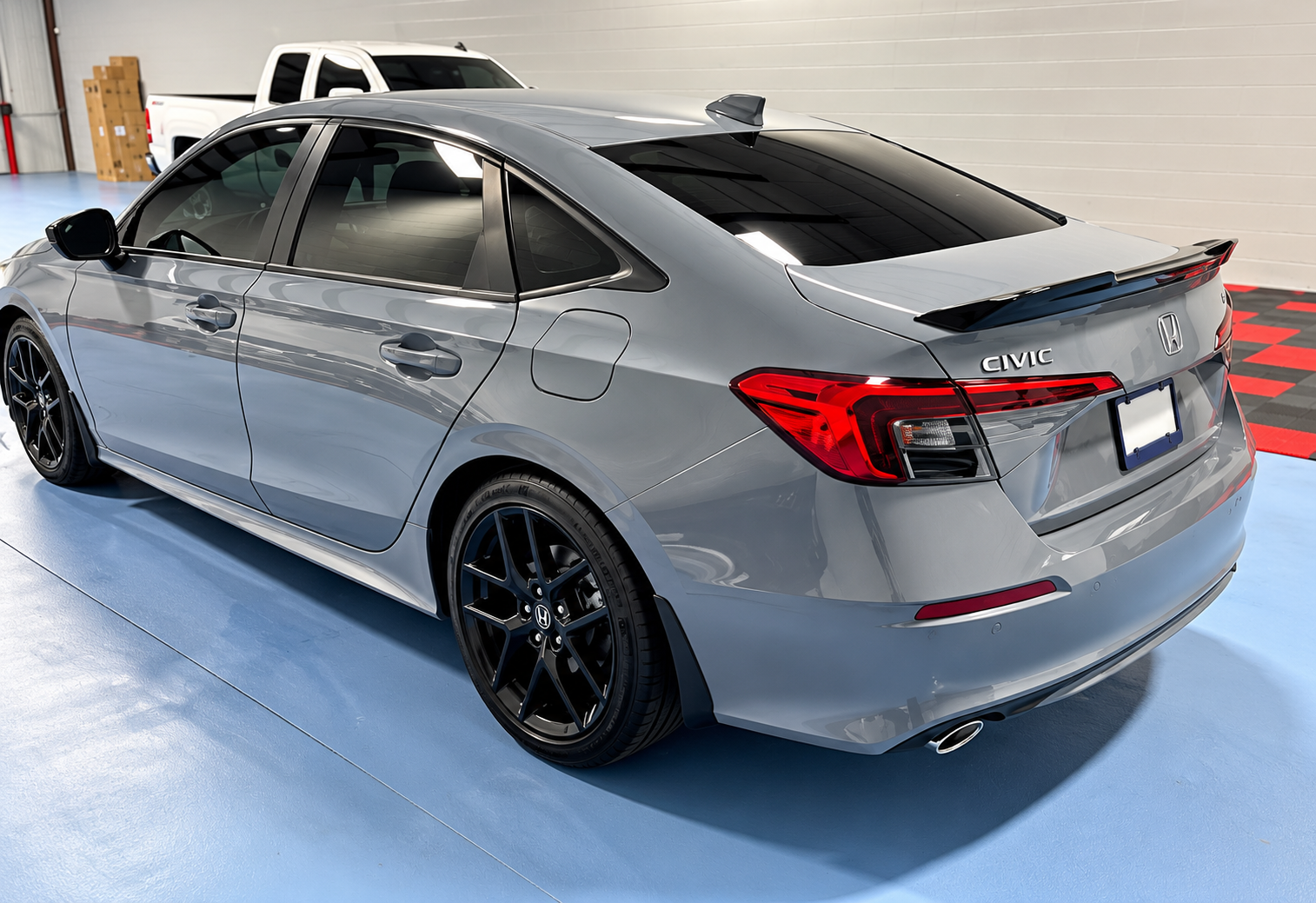
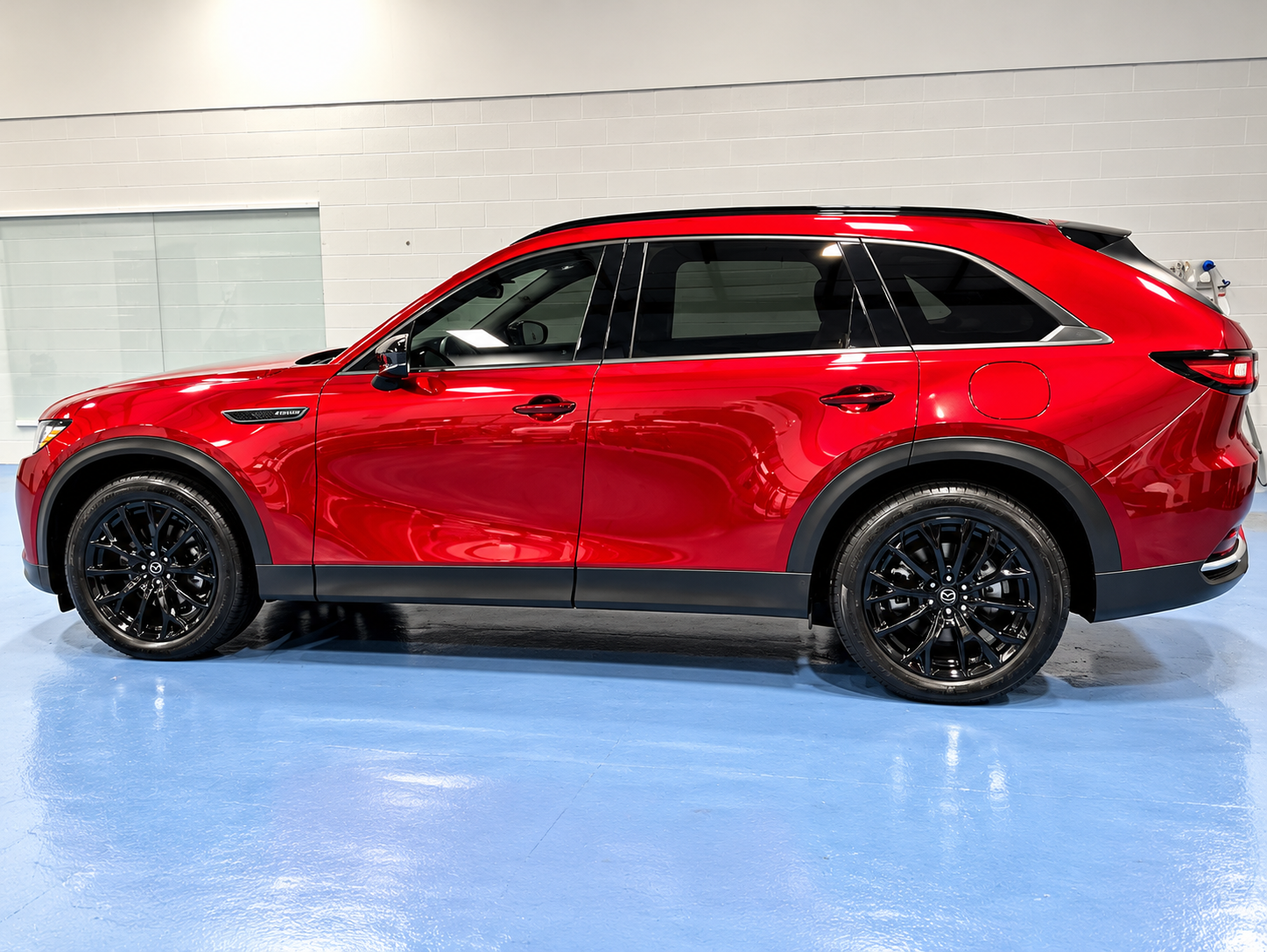
For many vehicles, extending ceramic protection beyond painted panels can create a more complete exterior care strategy. Glass, trim, and headlights are highly visible areas exposed to moisture, sunlight, road conditions, insects, and contamination during normal driving.
When suitable for coating, these surfaces can support easier cleaning, water repellency, and a more consistently maintained appearance. At Northern Lights Home & Auto Coatings, we evaluate the entire exterior before recommending where protection makes sense. Some vehicles are ready for coating, while others may need additional cleaning, correction, or restoration first.
The right approach depends on the actual condition of the vehicle rather than applying the same treatment to every surface automatically.
Protect More Exterior Surfaces With the Right Coating Process
Protecting glass, trim, and headlights can complement ceramic coating on painted surfaces when each material is suitable and properly prepared. The best approach is to inspect each surface, choose an appropriate product, complete the necessary preparation, and set realistic expectations for maintenance.
For vehicle owners in Pooler, GA, Northern Lights Home & Auto Coatings provides professional ceramic coating services from our Savannah location. We can evaluate paint, exterior glass, trim, headlights, and other appropriate surfaces as part of a broader vehicle protection plan.
Our ceramic coating for glass, trim, and headlights service is built around careful inspection, proper preparation, suitable product selection, and practical long-term care.
Schedule your ceramic coating service with Northern Lights Home & Auto Coatings and bring your vehicle from Pooler to our Savannah shop for professional exterior protection.