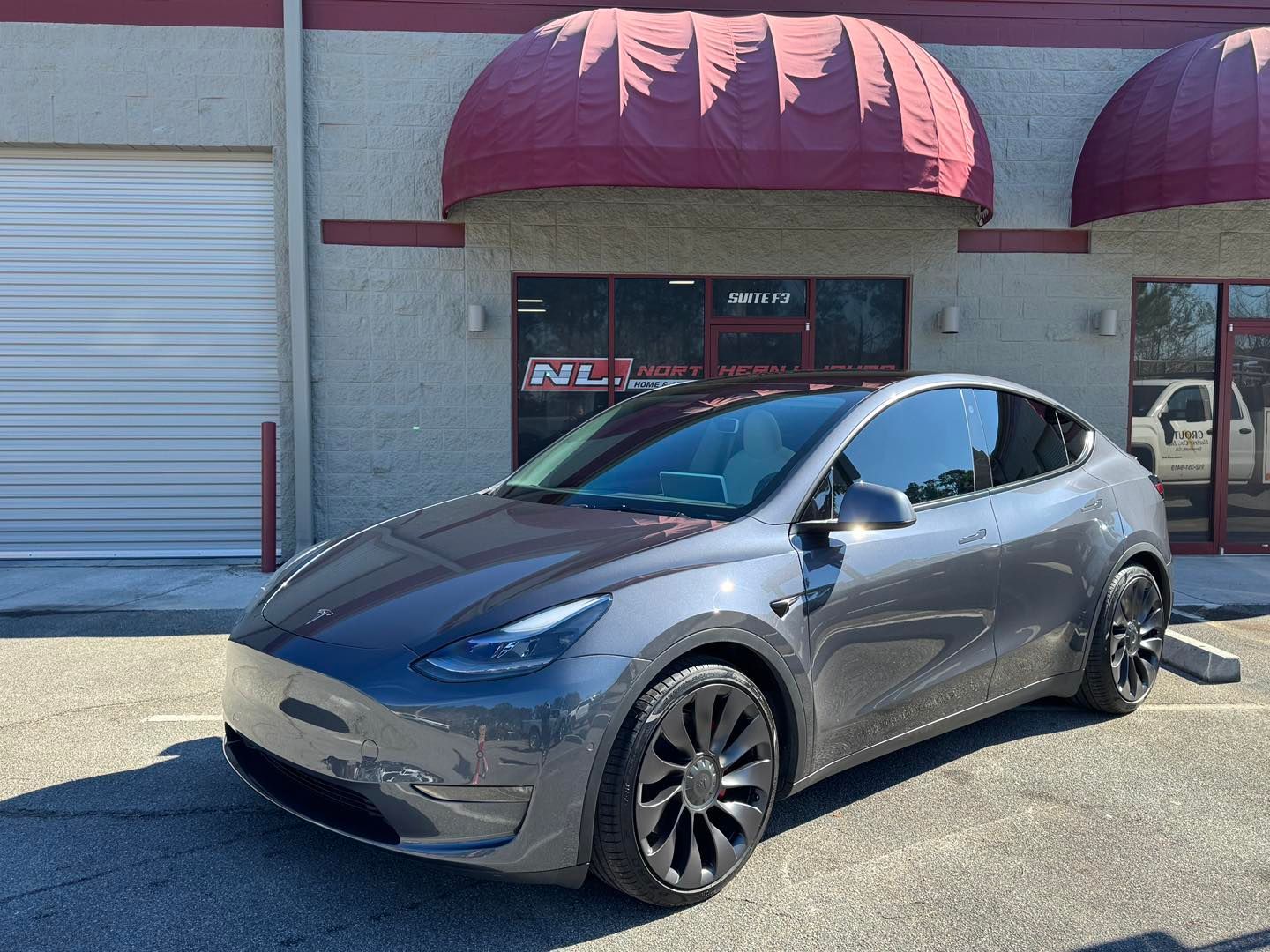
Professionally installed paint protection film generally lasts between five and ten years. The exact PPF lifespan depends on the film selected, installation quality, driving conditions, climate exposure, and ongoing maintenance.
At Northern Lights Home & Auto Coatings in Savannah, GA, vehicle owners often want to know how long their film should continue maintaining its clarity and protective performance. Understanding the factors that influence longevity can help drivers set realistic expectations, follow appropriate care practices, and recognize when an inspection or replacement may be needed.
What Is the Average PPF Lifespan?
High-quality paint protection film commonly lasts between five and ten years when it is professionally installed and maintained according to the manufacturer’s recommendations.
This range should be treated as an estimate rather than a fixed expiration date. A vehicle kept in a garage and driven mainly on local roads may experience different results from one that is regularly exposed to highway travel, strong sunlight, moisture, or coastal contaminants.
The film product also makes a meaningful difference. Premium materials are designed to maintain their appearance, flexibility, and surface performance for longer periods than basic alternatives.
Northern Lights Home & Auto Coatings installs SunTek paint protection film for Savannah vehicle owners. Depending on the selected product, professionally installed film may also be supported by a manufacturer’s limited warranty. Vehicle owners should review the coverage, maintenance requirements, and applicable terms for the specific film installed on their vehicle.
Factors That Affect Paint Protection Film Longevity
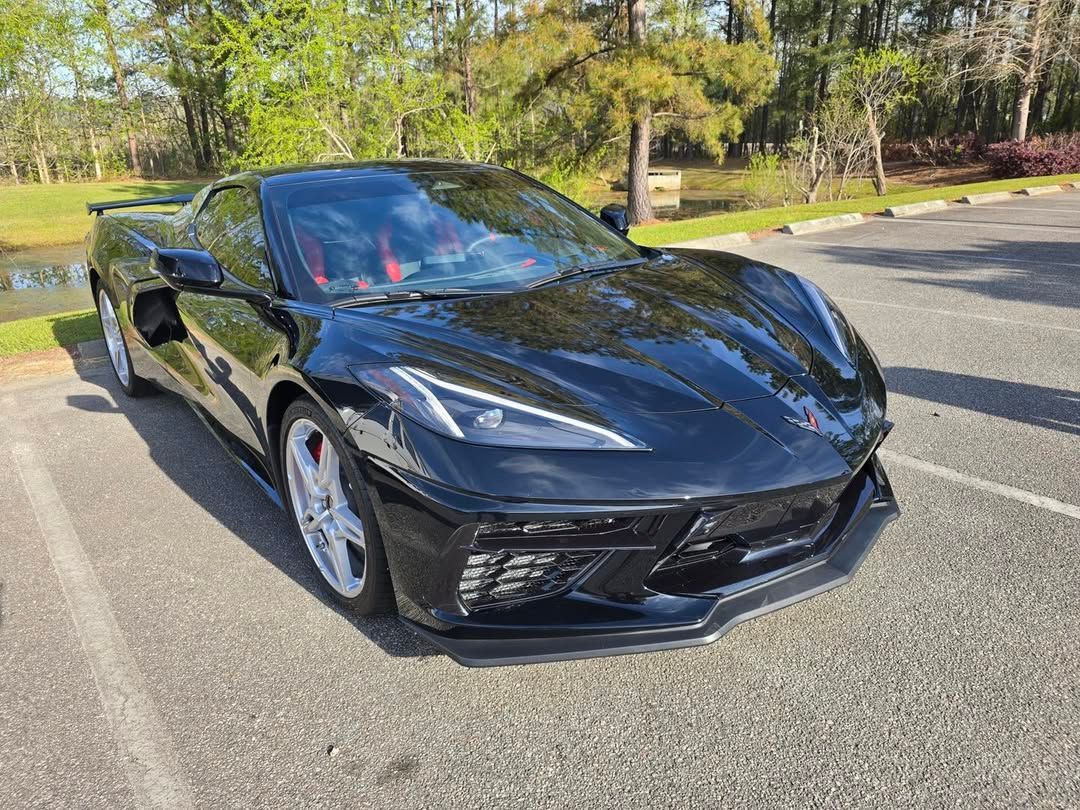
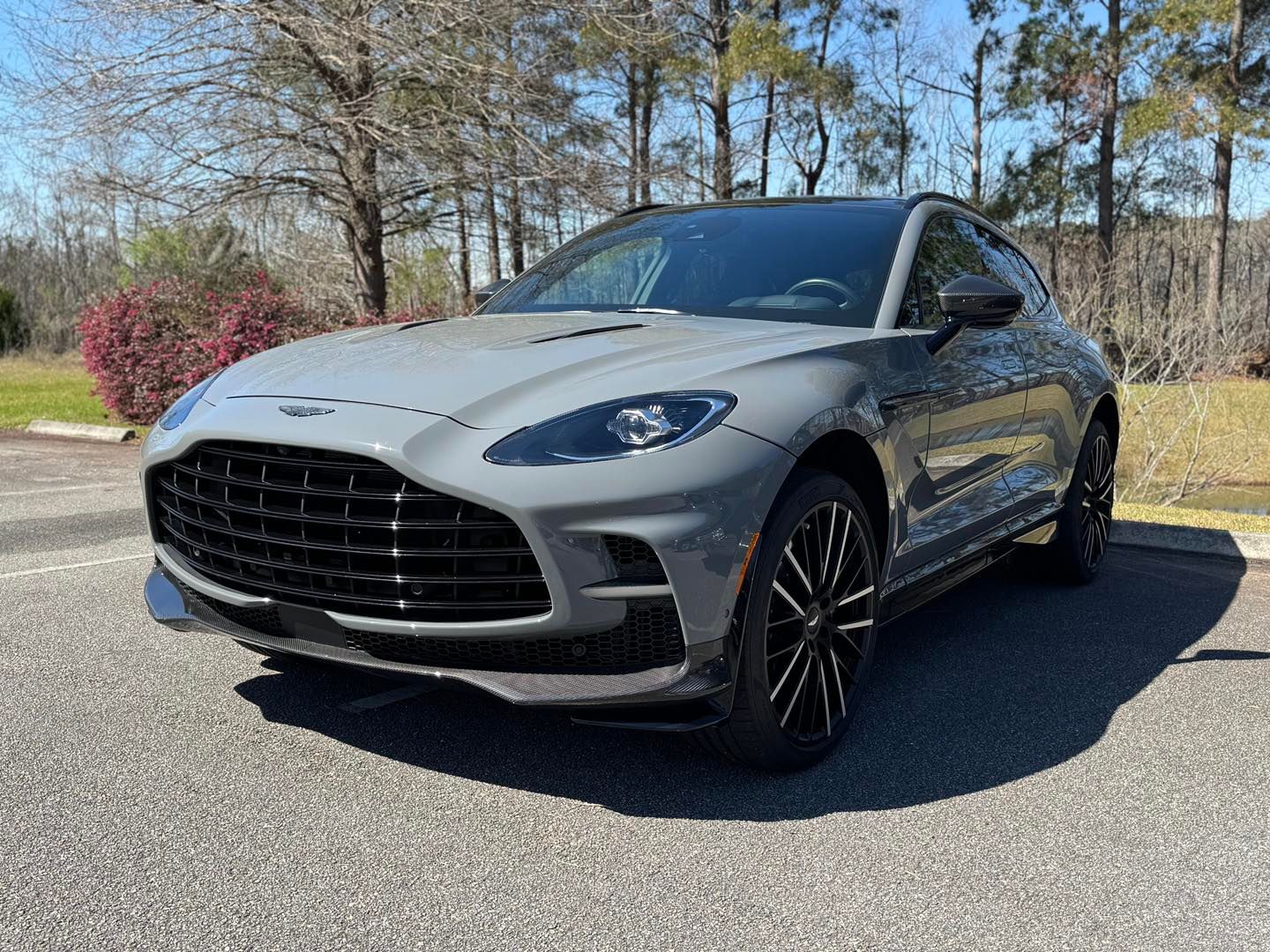
Several factors influence how long paint protection film continues to perform. Some are determined during product selection and installation, while others depend on how the vehicle is used and maintained afterward.
Film Quality and Construction
Not every paint protection film is manufactured to the same standard. Premium films use advanced materials and topcoat technology designed to maintain clarity, flexibility, and a consistent finish.
Select SunTek films include self-healing surface technology that can reduce the appearance of light surface marks when exposed to suitable warmth. This may come from sunlight, warm water, or heat generated by the vehicle.
Higher-quality products are also designed to maintain colour stability and visual clarity through regular exposure to changing weather. Basic films may experience reduced consistency sooner, particularly when they are exposed to demanding conditions without proper care.
Choosing a reputable product gives the installation a stronger foundation and helps the film continue performing throughout its expected service life.
Professional Installation
Professional paint protection film installation has a direct effect on PPF lifespan. Before the film is applied, the painted panels must be thoroughly cleaned and prepared so that residue does not interfere with the application or affect the finished result.
The film must also be positioned carefully around curves, edges, and detailed body areas. Accurate placement supports a cleaner appearance and helps reduce the chance of early edge movement or uneven sections.
A professional installer understands how different body panels and vehicle shapes affect application. This allows the film to sit smoothly and maintain consistent contact across the covered area.
At Northern Lights Home & Auto Coatings, every Savannah installation is approached according to the vehicle’s design, selected coverage, and condition. This vehicle-specific process supports long-term consistency and a cleaner finished result.
Savannah Climate and Environmental Exposure
Vehicles in Savannah, GA, may experience regular sunlight, humidity, moisture, pollen, road film, and coastal contaminants. These conditions make appropriate film selection and routine cleaning especially important.
Strong sunlight can place ongoing demands on exterior materials, while moisture and airborne contaminants can collect on the film if the vehicle is not washed consistently. Coastal exposure may also leave residue on exterior surfaces over time.
A professionally engineered film is better suited to handling these conditions than a basic product. However, even premium PPF requires suitable care to maintain its clarity and appearance.
Parking in a garage or shaded area when practical can help reduce prolonged exposure, but proper maintenance remains important for vehicles parked outdoors.
Driving Conditions
How and where a vehicle is driven also affects film longevity.
Frequent highway travel exposes the front bumper, hood, mirrors, and other forward-facing areas to more road debris and environmental material. Vehicles regularly driven on gravel roads, construction routes, or poorly maintained surfaces may also experience more demanding conditions.
A vehicle used mainly for shorter city trips may place less stress on certain covered areas. However, local driving still exposes the finish to sunlight, moisture, traffic residue, and routine environmental buildup.
Coverage selection should reflect the owner’s driving habits. Drivers who spend significant time on highways may benefit from protecting a larger portion of the vehicle rather than limiting film to one small area.
Signs That Paint Protection Film May Need Inspection
Paint protection film changes gradually as it ages. Recognizing those changes can help vehicle owners schedule a professional inspection before the film’s appearance or performance declines further.
Changes in Colour or Clarity
A visible change in colour or transparency may indicate that the film is approaching the later stage of its service life.
High-quality modern films are designed to maintain clarity, but long-term exposure, contamination, product quality, and maintenance habits can all affect appearance.
If the film begins looking noticeably different from surrounding panels or no longer maintains a clean finish after washing, an installer can inspect the area and determine whether cleaning, maintenance, or replacement is appropriate.
Edge Movement or Uneven Areas
Film edges should remain secure and consistent. If an edge begins moving away from the panel or an uneven area appears beneath the film, the section should be professionally evaluated.
Early inspection allows the installer to determine whether the affected area can be addressed or whether the film on that panel should be replaced.
Trying to press, trim, or reposition the film without suitable tools may affect the surrounding section. Professional assessment is the safer approach.
Reduced Self-Healing Performance
Select films use self-healing topcoat technology to reduce the appearance of light surface marks when suitable warmth is applied.
This feature may become less noticeable as the film ages. If visible surface changes remain after normal warmth or care, the topcoat may no longer be performing as consistently as it did after installation.
An installer can examine the film and determine whether it remains suitable for continued use.
Reduced Gloss or Surface Consistency
A film that begins looking dull or uneven after proper washing may be showing signs of long-term wear.
Some appearance concerns may come from contamination, mineral residue, or unsuitable cleaning products rather than the film itself. A professional inspection can identify the likely cause and recommend the appropriate next step.
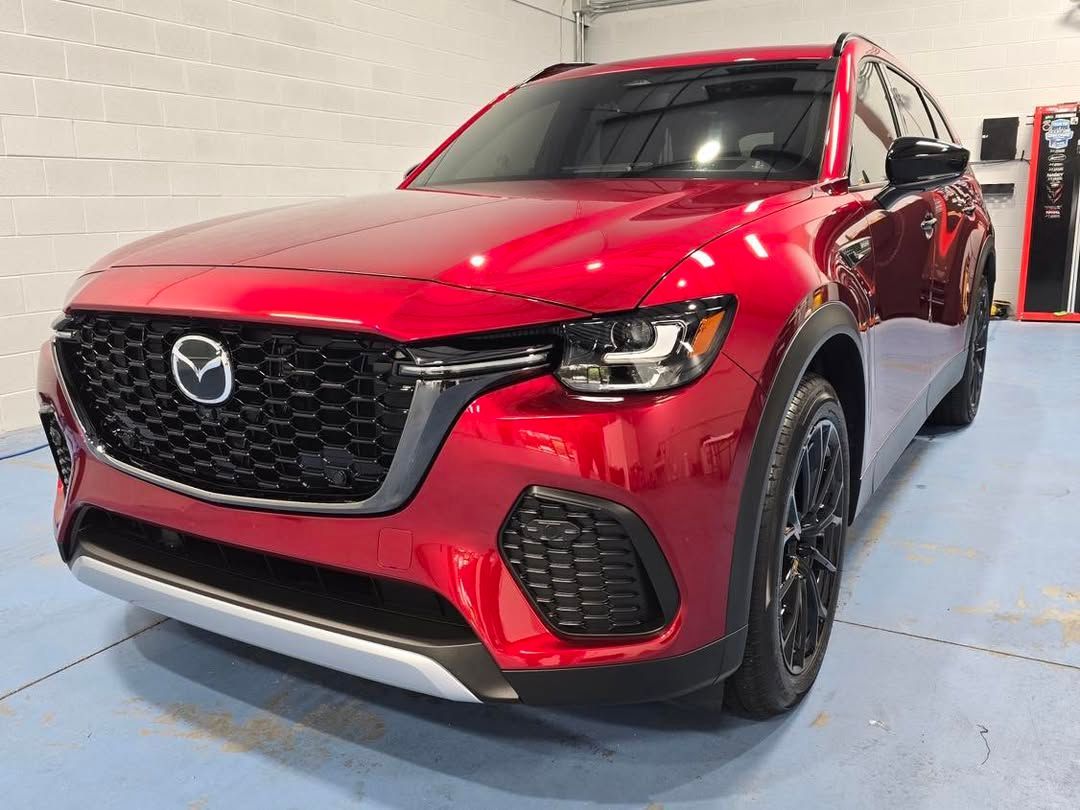
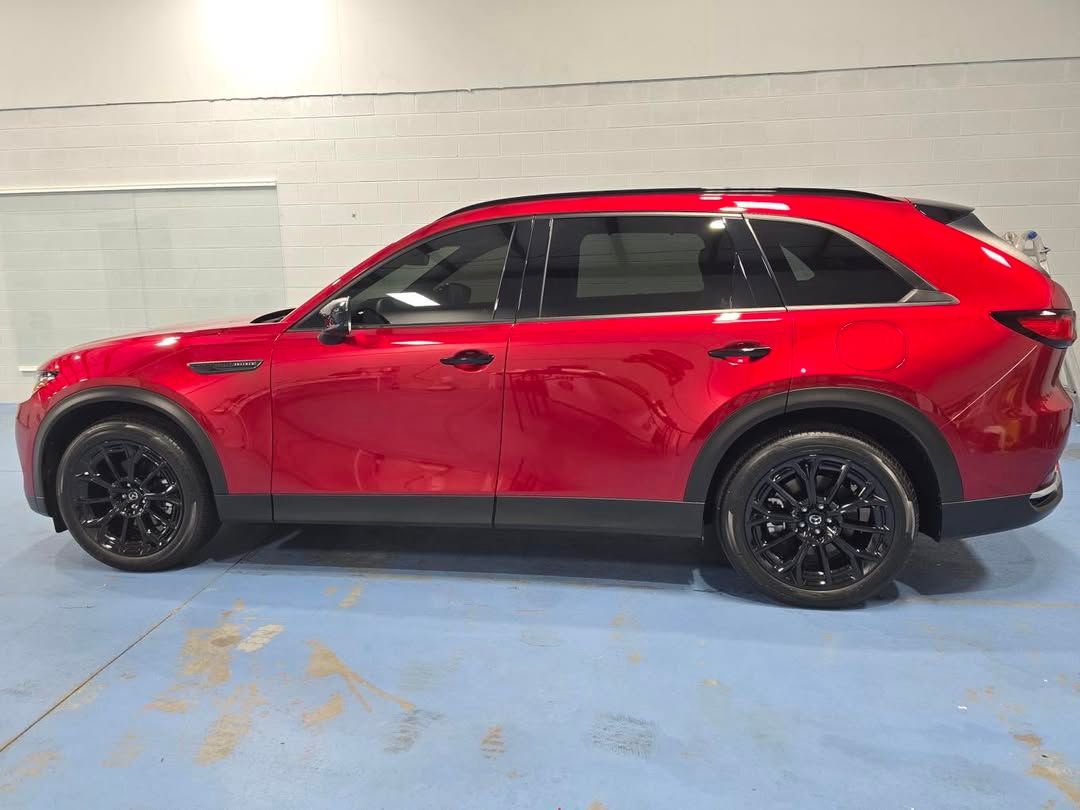
How to Extend PPF Lifespan
Film quality and professional installation create the foundation, but routine maintenance helps preserve the finished appearance and long-term performance.
Wash the Vehicle Consistently
Regular washing helps prevent road film, pollen, salt residue, and other contaminants from remaining on the surface for extended periods.
Use a pH-neutral automotive soap and clean washing materials. The vehicle should be rinsed thoroughly before contact washing so loose particles are removed first.
After washing, dry the film with a clean microfiber towel or an appropriate air-drying method. Allowing mineral-rich water to dry naturally may leave visible deposits.
Use Gentle Washing Methods
Hand washing is generally the preferred maintenance method for vehicles with paint protection film.
Automatic washes that use aggressive brushes may place unnecessary stress on film edges and reduce surface consistency over time. A touchless wash can be a better alternative when professional hand washing is not available, provided the chemicals used are appropriate for the film.
High-pressure water should not be directed closely at film edges. Maintaining a suitable distance helps reduce unnecessary pressure on the installation.
Use Compatible Maintenance Products
Not every wax, polish, cleaner, or coating product is suitable for PPF.
Vehicle owners should use maintenance products approved for the specific film installed. Petroleum-based cleaners, aggressive compounds, and strongly abrasive products should be avoided unless recommended by the installer or manufacturer.
A compatible ceramic coating may be applied over certain paint protection films to support easier cleaning and ongoing maintenance. Product compatibility should always be confirmed first because some films already include advanced surface properties.
Address Changes Early
If the film develops an uneven area, visible edge movement, or a change in clarity, schedule an inspection promptly.
Early evaluation helps the installer determine whether maintenance is sufficient or whether the film on the affected panel should be replaced. Delaying inspection may allow contamination or moisture to collect around the area.
Why Professional Installation Supports Longevity
Professional PPF installation involves more than placing film on painted panels.
The vehicle must first be cleaned, decontaminated, and inspected. The film is then measured, positioned, and applied according to the shape of each panel. Careful finishing around curves and edges helps support a clean and consistent installation.
A professional installer can also explain the recommended aftercare period, washing methods, product compatibility, warranty terms, and signs that should be inspected.
When replacement is eventually needed, professional removal is also important. A trained installer can evaluate the film and remove it using appropriate methods for the vehicle and product.
When Should PPF Be Replaced?
Replacement may be appropriate when the film reaches the end of its expected lifespan or develops consistent changes in clarity, colour, edge security, or surface appearance.
Film may also need replacement after bodywork or refinishing because the original section may need to be removed before work is completed. Once the panel is ready, new film can be installed to restore coverage.
Replacement decisions should be based on the condition of each panel rather than the vehicle as a whole. Film on high-exposure areas may require attention sooner than sections that experience less environmental contact.
Schedule a PPF Consultation in Savannah, GA
Paint protection film commonly lasts between five and ten years, but actual results depend on product quality, professional installation, driving conditions, environmental exposure, and routine maintenance.
Choosing a trusted film, following appropriate washing practices, and scheduling inspections when changes appear can help the installation maintain its clarity and performance for years.
Contact
Northern Lights Home & Auto Coatings today to discuss professional paint protection film installation in Savannah, GA. The team can explain SunTek film options, available coverage, expected longevity, maintenance requirements, and applicable warranty details for your vehicle.