Why Surface Preparation Is Important Before Vinyl Wrap Installation
Proper surface preparation is essential for achieving a clean, professional vinyl wrap result. At Northern Lights Home & Auto Coatings, we carefully prepare each vehicle before installation because dirt, wax, grease, oils, detailing residue, and other contaminants can interfere with vinyl adhesion and affect the finished appearance. A wrap follows the condition of the surface beneath it, so preparation plays an important role in smoothness, edge quality, panel coverage, and long-term performance.
For vehicle owners in Pooler, GA, our Savannah location provides a professional setting where we can inspect, clean, and prepare the exterior before applying vinyl. When we prepare the surface correctly before vinyl wrap installation, we create a clean foundation that allows the material to conform more consistently across panels, curves, seams, edges, and detailed exterior areas.
Why Is Surface Preparation Important Before Vinyl Wrap Installation?
Surface preparation involves much more than giving a vehicle a quick wash before the vinyl is applied. The goal is to make sure the exterior is clean, stable, and suitable for installation. Vinyl adhesive needs consistent contact with the underlying surface, and contamination can create weak points, uneven contact, or visible imperfections after installation.
Before installation begins, we inspect body lines, panel edges, trim-adjacent areas, seams, and the general condition of the paint. This helps us understand the surface before any material is applied. A professional wrap depends on both skilled installation and a properly prepared foundation.

What Needs to Be Removed Before Vinyl Wrap Installation?
A vehicle can look clean while still carrying substances that interfere with adhesive contact. Routine washing may remove visible dirt, but it does not necessarily eliminate all residue from the exterior. Before wrapping, we focus on removing contaminants such as road film, grease, oils, waxes, sealants, bug residue, tree sap, silicone-based products, and detailing residue.
Our goal is not simply to make the vehicle look clean. The surface needs to be suitable for professional vinyl installation. Removing incompatible products and bonded contamination helps give the adhesive a more consistent surface to contact.
How Can Dirt, Wax, and Grease Affect Vinyl Adhesion?
Contamination can change the way vinyl adhesive interacts with a vehicle's exterior. Even small amounts of residue may create a barrier between the adhesive and the panel, especially in areas that require precise placement or detailed finishing.
For this reason, cleaning and residue removal are technical parts of the installation process rather than cosmetic steps.
Dirt and Embedded Contamination
Fine particles, road grime, and environmental contamination can remain on painted surfaces after ordinary washing. Lower panels, seams, and panel gaps can be especially prone to buildup.
If these particles remain during installation, the vinyl may sit over them rather than making direct contact with the surface. Trapped debris can also create small bumps or uneven areas beneath the film. Careful cleaning and inspection help create a smoother working surface before the vinyl is positioned and finished.
Wax, Oils, and Greasy Residue
Waxes, oils, silicone-based dressings, sealants, and greasy residue can leave a slick layer on the vehicle. These products are not always immediately visible, which means a recently detailed vehicle is not automatically ready for a wrap.
Residue is particularly important around panel edges, trim-adjacent areas, and body lines where product buildup may remain after washing. Removing incompatible residue gives the installer a cleaner foundation and better control during placement and finishing.
How Does Surface Preparation Improve the Appearance of a Vinyl Wrap?
Surface preparation affects the finished appearance because vinyl conforms closely to the panel beneath it. Contamination, dried residue, uneven paint, or unresolved surface concerns may remain noticeable after installation, especially across large or highly visible body panels.
Starting with a clean, stable surface helps create smoother coverage and cleaner transitions. It also helps the vinyl follow body lines, curves, recessed areas, and panel contours more consistently.
Vinyl should not be expected to conceal contamination, unstable paint, or every cosmetic defect already present.
Why Does the Condition of the Paint Matter Before Wrapping?
Cleaning removes contamination, but it does not correct every issue already present in the paint. The stability of the finish also needs to be considered before wrapping.
Oxidation, peeling clear coat, chipped paint, unstable previous repairs, and other defects can affect the appearance or quality of the installation. Vinyl should not be treated as a repair method for failing paint or as a guaranteed way to hide every imperfection.
At Northern Lights Home & Auto Coatings, we evaluate the finish before deciding how preparation should proceed. If a concern could affect installation or appearance, it may need to be addressed before the material is applied.
Does Paint Correction Need to Be Done Before Every Vinyl Wrap?
Not every vehicle needs paint correction before receiving a vinyl wrap. Cleaning, decontamination, and paint correction serve different purposes, and the right preparation depends on the condition of the individual vehicle.
Cleaning and decontamination remove substances that may interfere with adhesive contact. Paint correction addresses suitable clear coat imperfections that may influence the finished appearance.
If the paint is already in good condition, correction may not be necessary. If visible imperfections could influence the final result, we can evaluate whether polishing or correction is appropriate before wrapping.
Why Are Edges, Seams, and Body Lines Important During Preparation?
A vinyl wrap involves more than covering large, flat panels. Edges, seams, recesses, panel gaps, handles, body lines, and trim-adjacent areas all require careful preparation because these locations often collect contaminants that are easy to overlook.
Wax, dressing residue, dirt, oils, and road film can remain hidden in these areas even after the main panels appear clean. Because edges and seams are important finishing areas, contamination can make precise installation more difficult.
We inspect and clean these details carefully before installation. This supports cleaner transitions and more consistent adhesion around edges, seams, and complex exterior areas.
How Does Proper Preparation Support Wrap Durability?
The durability of a vinyl wrap depends on material quality, installation technique, maintenance, environmental exposure, storage conditions, and the condition of the vehicle at installation.
Surface preparation supports that overall performance by giving the adhesive a clean and stable foundation. When contamination remains between the vinyl and the vehicle, certain areas may not achieve the same consistent contact as properly prepared sections. Over time, this can contribute to edge lifting or inconsistent adhesion.
Preparation does not replace quality material, skilled installation, or proper maintenance, but it helps reduce avoidable problems before application begins.
What Happens If Surface Preparation Is Rushed or Skipped?
Rushed preparation can create problems that become much harder to correct after the vinyl is applied. Visible particles can become trapped underneath the material. Wax, oil, or detailing residue can interfere with adhesive contact, and contaminated edges may be more difficult to finish cleanly.
Even high-quality vinyl may produce a less refined result when the surface underneath is not prepared properly. Stretching, heating, or finishing techniques cannot replace careful cleaning and inspection. Addressing surface concerns before installation gives the material a better foundation.
How Do We Prepare a Vehicle for Professional Vinyl Wrap Installation?
Our preparation process begins with an exterior inspection. We assess the paint, panels, body lines, edges, seams, and detailed exterior areas before determining what preparation is needed.
The vehicle is then thoroughly cleaned to remove dirt, road film, wax, grease, oils, and other residue. Additional decontamination may be completed where necessary. We also inspect for paint defects or surface concerns that could influence how the vinyl looks once installed.
Special attention is given to panel gaps, seams, handles, recesses, body lines, and trim-adjacent areas where contamination can remain hidden. Once preparation is complete, we perform a final surface check before applying the vinyl.
Whether a customer is planning extensive coverage or a more focused wrap project, the objective is the same: begin installation with a clean, stable, and suitable surface.

Why Professional Preparation Matters for Different Vinyl Finishes
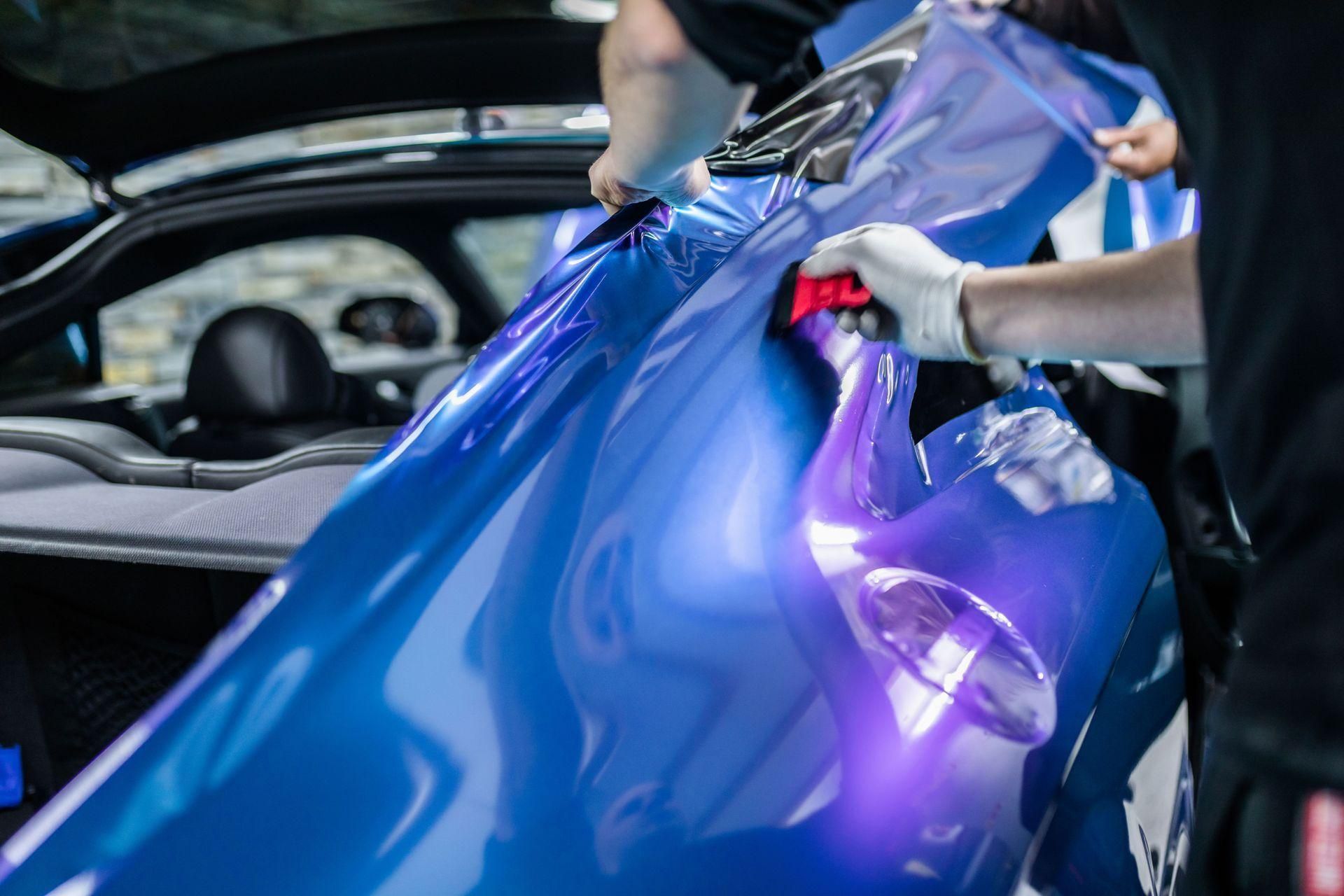
Different vinyl finishes interact with light, panel contours, and surface irregularities in different ways. Gloss, satin, matte, textured, and color-shifting finishes can each emphasize vehicle shape and surface condition differently.
Regardless of the finish selected, the vinyl should not be relied upon to hide contamination, unstable paint, or unresolved exterior concerns.
At Northern Lights Home & Auto Coatings, we prepare each vehicle based on its actual condition rather than assuming the selected vinyl will compensate for imperfections underneath. This helps support a more consistent appearance across panels, curves, transitions, and detailed areas.
Start With the Right Surface for Better Vinyl Wrap Results
A professional vinyl wrap result begins with a clean, stable, properly inspected surface. Thorough preparation helps the material make consistent contact with the vehicle while supporting smoother coverage, cleaner edges, refined transitions, and a more uniform finished appearance.
Surface preparation also gives us the opportunity to identify paint concerns before they are covered. This is especially important when existing defects could remain visible or influence how the material sits across the panel. By addressing contamination, residue, unstable paint, or other relevant conditions first, the wrap installation can begin with a better foundation.
For vehicle owners in Pooler, GA, Northern Lights Home & Auto Coatings provides professional vinyl wrap preparation and installation from our Savannah location. We inspect and prepare the exterior carefully before applying material so each project begins with the right surface.
Schedule a vinyl wrap consultation with Northern Lights Home & Auto Coatings to have your vehicle evaluated, professionally prepared, and wrapped with careful attention throughout the installation process.