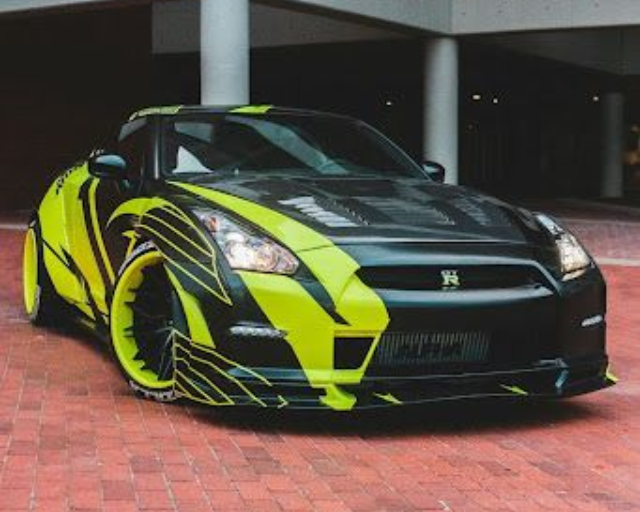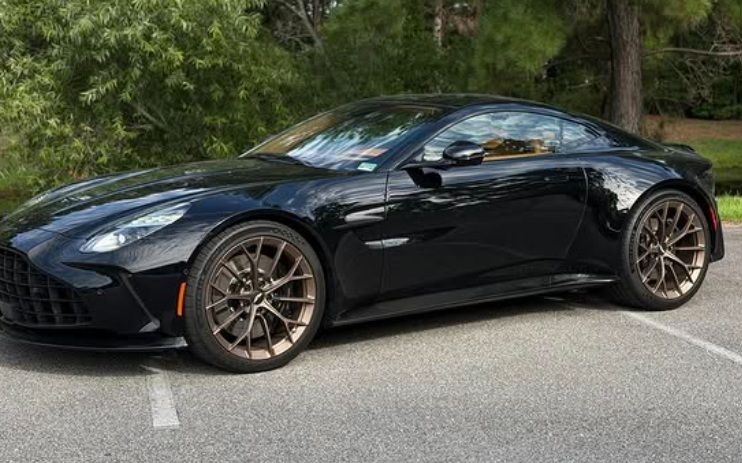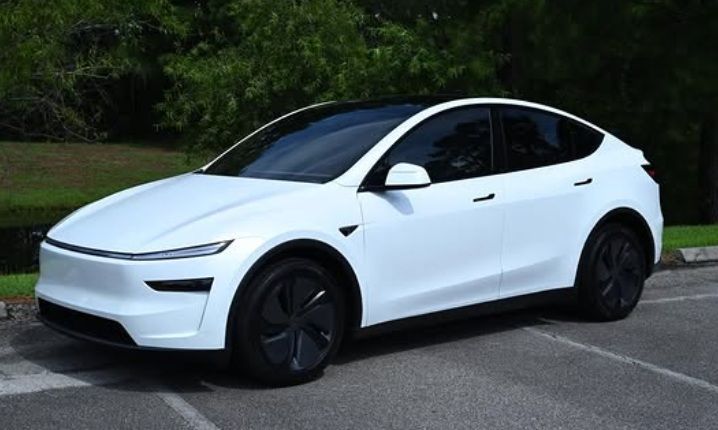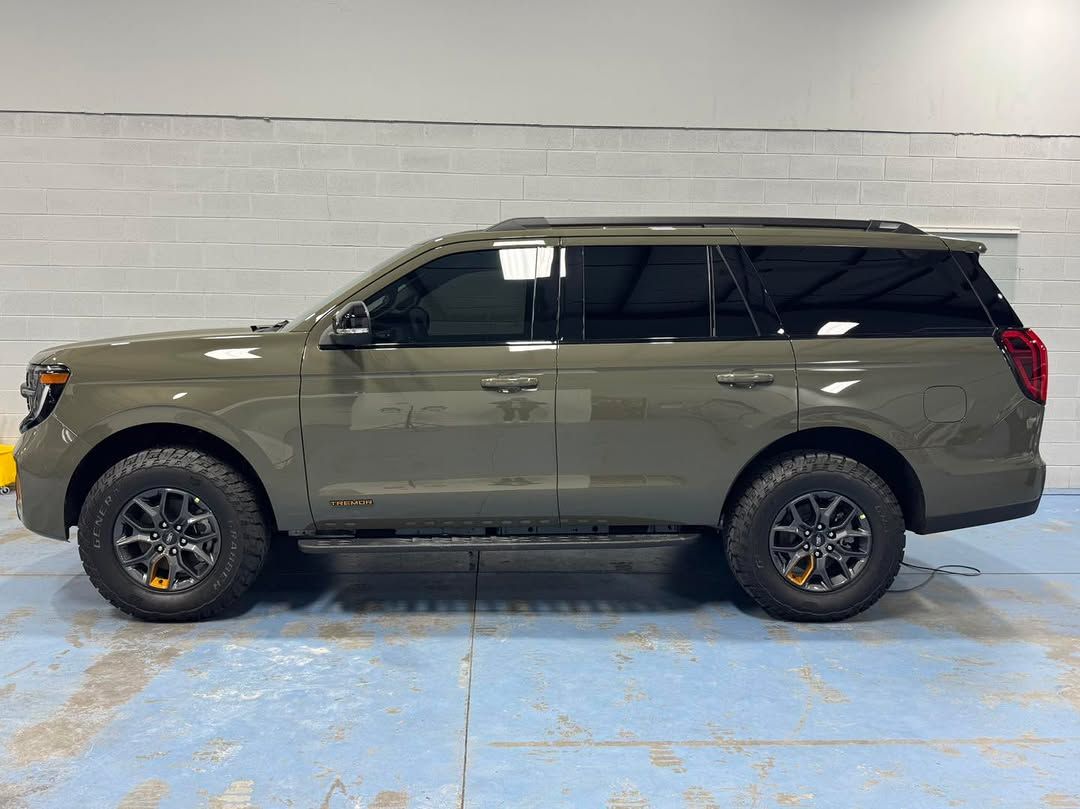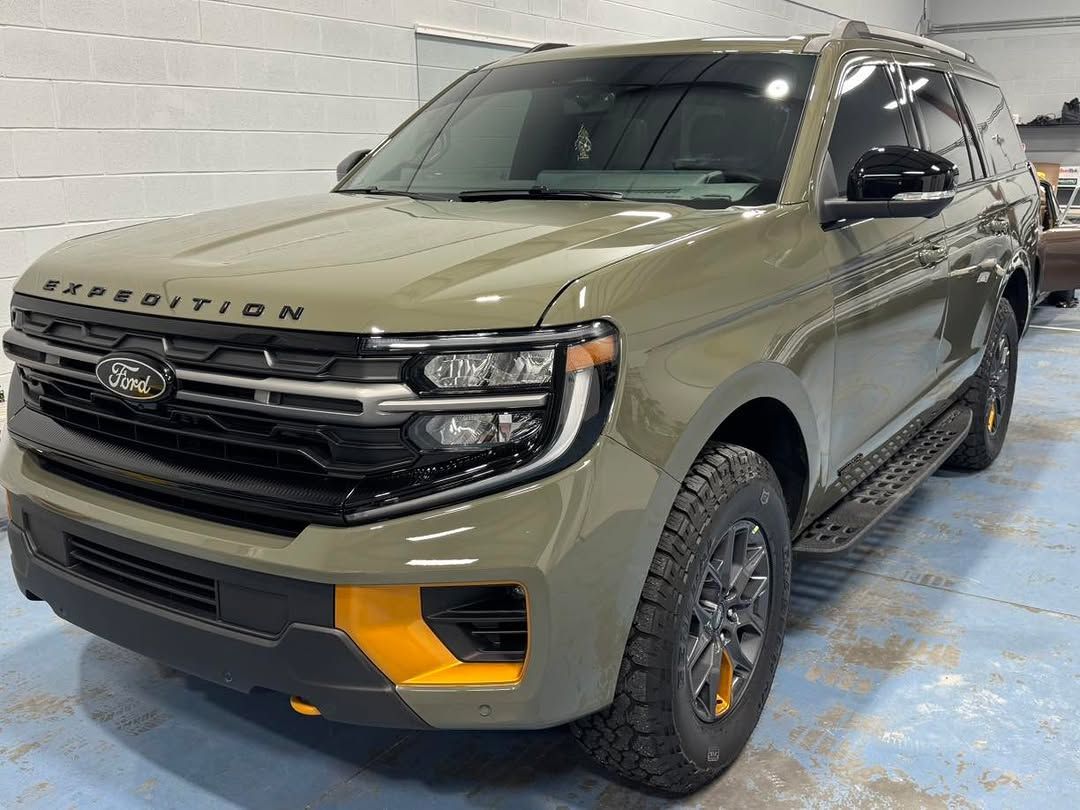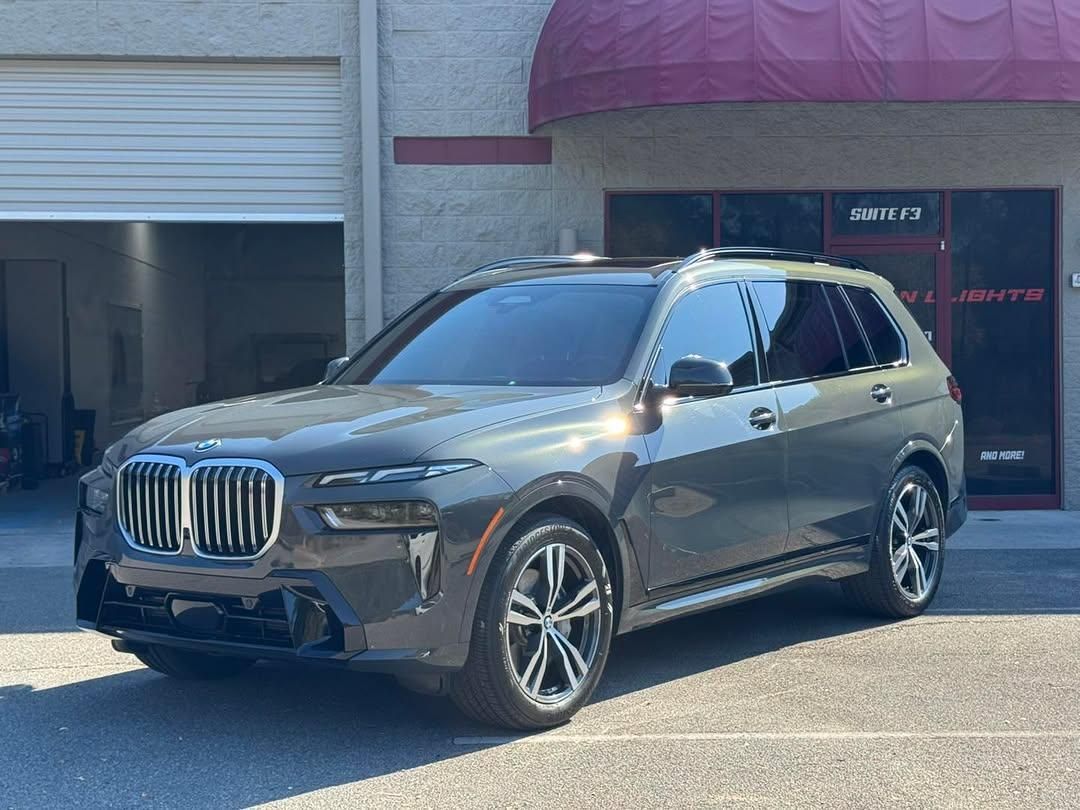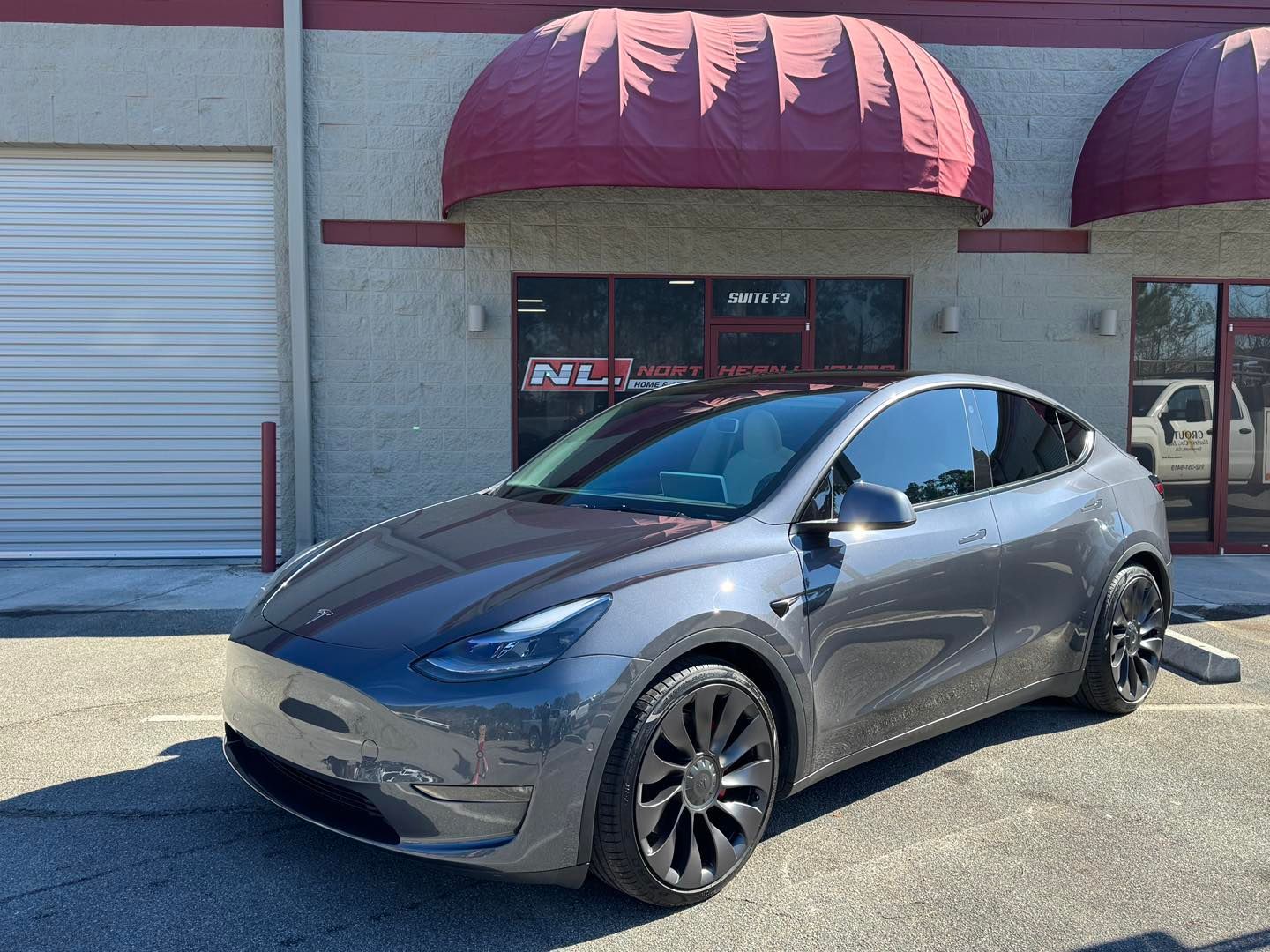
At Northern Lights Home & Auto Coatings in Savannah, GA, we work with drivers who want their vehicles to look consistent, polished, and intentional. Our Vinyl Wrap service is one of the ways we support that goal. Choosing which panels to wrap is an important decision because each area of the vehicle serves a different purpose in appearance and surface protection. Understanding how coverage areas work helps drivers plan their wrap project with clarity and realistic expectations.
Understanding How Coverage Areas Shape Vehicle Appearance
When we discuss coverage areas, we are referring to specific sections of the vehicle that can be wrapped to achieve a consistent look. Some drivers prefer full exterior coverage, while others choose targeted panels to enhance design or maintain a uniform finish. The coverage approach depends on goals, driving conditions in Savannah, and how the vehicle is used on a daily basis.
We focus on preparation, panel alignment, and controlled application to ensure each wrapped area blends smoothly with surrounding surfaces. This approach helps maintain visual continuity and reduces visible transitions between wrapped and unwrapped panels.
Front-End Coverage Areas
Hood Coverage
The hood is one of the most noticeable surfaces on a vehicle. Wrapping this panel helps create a strong visual impact while supporting surface consistency. Many drivers in Savannah choose hood coverage to match the roof or side panels for a coordinated appearance.
Front Bumper Coverage
The front bumper has complex curves and design features. Wrapping this area requires careful planning to ensure edges align properly and contours remain smooth. Covering the front bumper helps unify the front profile of the vehicle and contributes to a cohesive exterior finish.
Front Fenders Coverage
Front fenders connect the hood and doors, so wrapping these panels helps maintain flow across the vehicle body. When fenders are wrapped along with adjacent panels, the vehicle appears intentionally styled rather than partially modified.
Side Panel Coverage Areas
Doors Coverage
Doors are large, flat panels that play a major role in the overall look of a vehicle. Wrapping doors creates a strong visual presence and supports consistent color and texture across the side profile. Many vehicle owners choose door coverage as part of partial or full wrap projects.
Side Mirrors Coverage
Side mirrors are smaller panels, but they are highly visible. Wrapping mirrors to match the doors or roof can help create a unified design. This is a detail that often enhances the finished appearance of a wrap project.
Side Skirts Coverage
Side skirts run along the lower edges of the vehicle and can be wrapped to complement the upper panels. This area contributes to a balanced look from top to bottom, especially when paired with door and fender coverage.
Roof Coverage Areas
Full Roof Coverage
The roof is a popular coverage area because it adds contrast or continuity depending on the chosen color or finish. A wrapped roof can visually lower the vehicle profile or match other panels for a streamlined look.
Partial Roof Coverage
Some drivers prefer partial roof coverage for design accents. This can include sections of the roof that align with pillars or window trims to create a structured visual layout.

Rear-End Coverage Areas
Rear Bumper Coverage
The rear bumper has contours similar to the front bumper and requires careful alignment. Wrapping this panel helps maintain a consistent rear appearance and ties in with side and roof coverage.
Trunk or Hatch Coverage
The trunk lid or hatch is a central rear panel that often receives wrap coverage to match the roof or side panels. This area plays a major role in how the rear of the vehicle looks when viewed from behind.
Rear Quarter Panels Coverage
Rear quarter panels connect the doors to the rear bumper. Wrapping these panels supports continuity across the entire side and rear of the vehicle, reducing visual breaks in color or finish.
Trim and Accent Coverage Areas
Window Trim Coverage
Window trim plays an important role in defining the overall profile of a vehicle. When we wrap window trim, it can either blend seamlessly with the body panels or create a subtle contrast that highlights the vehicle’s natural lines. This area frames the glass and visually separates the roof, doors, and pillars, so covering it with vinyl can change how the vehicle is perceived from every angle. In Savannah, where sunlight and outdoor driving are common, wrapped window trim can also help maintain a consistent appearance across the exterior. Coordinating trim coverage with other panels supports a unified design that feels intentional and well planned.
Door Handle Coverage
Door handles are small components, but they are among the most frequently touched and noticed areas on a vehicle. Wrapping door handles helps maintain visual consistency, especially when the doors and trim are already wrapped. Matching handles to surrounding panels can create a smooth, uninterrupted look across the side of the vehicle. Some drivers prefer subtle contrast, while others want the handles to blend in completely with the doors. Including door handles in a wrap plan ensures that even minor details align with the overall design direction and do not appear overlooked.
Badges and Emblems Coverage
Badges and emblems contribute to a vehicle’s identity, but some drivers prefer a cleaner and more streamlined appearance. Wrapping or modifying badges can reduce visual clutter and support a balanced exterior layout. When coordinated with other wrapped panels, badges and emblems can either blend into the design or stand out in a controlled way. This approach helps maintain harmony across the vehicle’s surfaces, especially when full or partial wrap coverage is applied. Planning emblem coverage alongside major panels ensures that every visible element contributes to a consistent and deliberate exterior presentation.

Full Coverage vs Partial Coverage Considerations
Choosing between full coverage and partial coverage depends on the intended outcome. Full coverage creates a uniform exterior across all visible panels. Partial coverage focuses on specific sections to highlight design elements or complement factory paint. At Northern Lights Home & Auto Coatings, we help drivers understand how each option affects the vehicle’s appearance and long-term maintenance.
How Coverage Areas Affect Consistency Over Time
Consistency is influenced by how panels are wrapped and how they interact with each other. When adjacent panels are wrapped together, transitions are less noticeable. This is especially important for vehicles in Savannah, where sun exposure and daily driving can influence visual uniformity. Planning coverage areas in advance helps ensure the vehicle maintains a cohesive look as time passes.
Integration With Other Protection Services
Vinyl wrap coverage often works alongside other services we provide. When wrap panels are coordinated with detailing, surface preparation, and protective coatings, the vehicle benefits from a unified approach to care. Our system is designed to support long-term durability and appearance across all treated areas.
Choosing Coverage Areas Based on Driving Habits
Different drivers use their vehicles in different ways. Some focus on visual enhancement, while others prioritize surface consistency across frequently exposed panels. In Savannah, coastal conditions and sunlight can influence how drivers plan their coverage areas. We guide clients through selecting panels that align with their driving environment and ownership goals.
Planning a Wrap Project With Clear Panel Coverage
A successful wrap project starts with understanding which panels will be included. Clear planning helps manage expectations for appearance, maintenance, and long-term consistency. We review each panel, discuss desired outcomes, and align coverage areas with the vehicle’s design and usage.
What to Know About Vinyl Wrap and Panel Transitions
Transitions between wrapped and unwrapped panels should be intentional. When coverage areas are planned thoughtfully, transitions appear structured rather than accidental. This is an important aspect of what to know about vinyl wrap when considering how each panel contributes to the overall vehicle design.
Maintaining Wrapped Coverage Areas
Maintenance plays a role in preserving the look of wrapped panels. Regular washing and proper care help maintain a uniform appearance across all covered areas. Our team provides guidance on how to care for wrapped surfaces so drivers can keep their vehicles looking consistent.
Why Coverage Area Selection Matters for Long-Term Appearance
Selecting the right coverage areas influences how the vehicle looks months and years after installation. Panels that work together visually create a cohesive design that reflects careful planning. This is part of what to know about vinyl wrap when evaluating long-term ownership and presentation.
Working With Northern Lights Home & Auto Coatings in Savannah, GA
At Northern Lights Home & Auto Coatings, we approach vinyl wrap projects with a structured process that focuses on preparation, controlled application, and alignment with other protective services. We help drivers in Savannah understand coverage options and choose panels that support their goals for appearance and durability.
Conclusion
Vinyl wrap coverage areas play a key role in shaping how a vehicle looks and how its surfaces remain consistent over time. From front-end panels to roof and rear sections, each area contributes to the overall design and long-term appearance. Understanding which panels to include helps drivers make informed decisions and achieve a cohesive finish. At Northern Lights Home & Auto Coatings in Savannah, GA, we support drivers through every step of the coverage planning process so their vehicles reflect careful ownership and a well-considered exterior design. If you are planning a wrap project and want guidance on panel coverage options, contact us to explore your Vinyl Wrap service options and get started.